Abstract Seamless Geometrical Patterns: A Comprehensive Evaluation
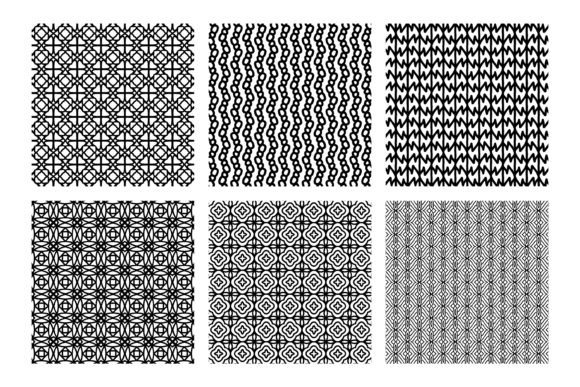
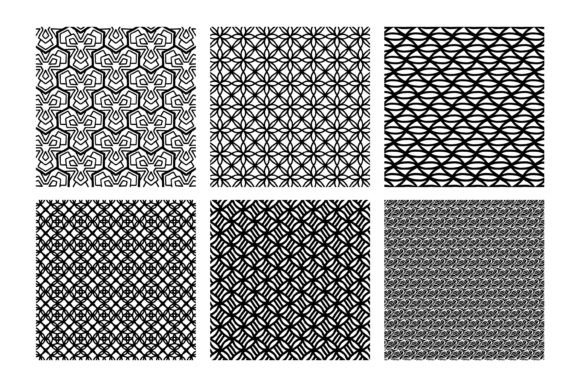
In the realm of digital design, visual assets that offer versatility and scalability are essential for professionals across various industries. One such asset category is Abstract Seamless Geometrical Patterns. These designs consist of repeating motifs based on mathematical shapes and lines, creating a continuous texture that can be tiled infinitely without visible breaks. The specific product under review is a comprehensive collection contained within a single zip file, offering high-resolution formats including EPS and JPG at 5000 x 3500 pixels and 300 DPI.
This article provides an objective analysis of this pattern set, exploring its technical specifications, practical applications, and suitability for different design projects. By examining the features and limitations, designers can determine if this collection aligns with their specific workflow requirements and aesthetic goals.
Understanding Abstract Seamless Geometrical Patterns
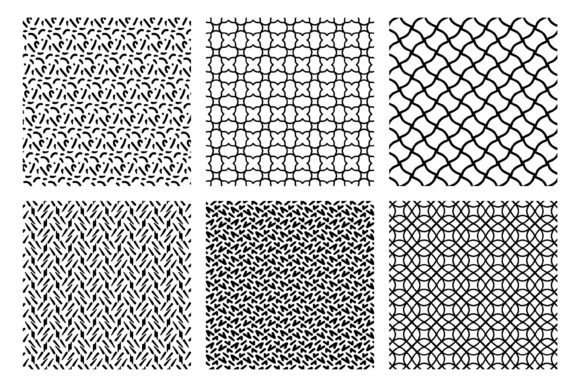
Abstract seamless geometrical patterns are defined by their ability to repeat horizontally and vertically without disrupting the visual flow. Unlike organic or illustrative textures, these patterns rely on symmetry, repetition, and precision. They serve as foundational elements in graphic design, often used to create backgrounds, surface textures, or structural accents.
The collection described here leverages vector-based technology alongside raster formats. The inclusion of EPS (Encapsulated PostScript) files ensures that the core geometry remains scalable to any size without pixelation. This is critical for large-format printing where image integrity is paramount. Simultaneously, the availability of JPG files provides immediate usability for web graphics, social media content, and quick mockups where vector editing software is not required.
Technical Specifications and Quality Assessment
The resolution of 5000 x 3500 pixels at 300 DPI represents a high standard for print-ready assets. To understand the implications of these metrics, one must consider the intended output:
- Print Applications: At 300 DPI, these images are suitable for high-quality commercial printing, including brochures, business cards, packaging, and large banners. The dimensions allow for significant cropping flexibility while maintaining sharp edges.
- Digital Applications: While 5000 pixels wide exceeds typical screen resolutions, this allows designers to extract smaller sections or downscale the image for sharper results on high-density displays like Retina screens.
- File Management: The consolidation of all patterns into a single zip file streamlines the download process. It reduces the risk of missing files and simplifies folder organization, which is a significant advantage for users managing large asset libraries.
Reasons for Interest and Design Utility
Designers often seek abstract geometrical patterns for their ability to convey structure, modernity, and order. There are several distinct reasons why a professional might evaluate this specific collection:
- Versatility in Branding: Geometric patterns are frequently used in corporate identity to suggest stability and innovation. The abstract nature allows them to fit diverse brand personalities without being too literal.
- Textile and Surface Design: The seamless nature of these files makes them ideal for fabric printing, wallpaper, and interior design. The high resolution ensures that intricate details remain visible even when scaled up for large wall coverings.
- UI/UX Backgrounds: Subtle geometric textures add depth to user interfaces without distracting from the primary content. The clean lines of abstract patterns work well in dashboards, mobile apps, and website headers.
- Cost-Effectiveness: Acquiring a bundle of multiple patterns in a single package is generally more economical than purchasing individual assets, providing a broader range of options for varied projects.
Benefits and Tradeoffs
While the collection offers significant advantages, it is important to weigh these against potential tradeoffs to make an informed decision.
Key Benefits:
The primary strength lies in the dual-format delivery. Having both EPS and JPG in one package caters to both print-focused workflows and rapid digital deployment. The high resolution eliminates the need for upscaling, which often degrades quality. Furthermore, the seamless tiling capability saves time, as designers do not need to manually adjust edge alignment to prevent visible seams.
Potential Considerations:
The main limitation involves the file size associated with high-resolution assets. Downloading and storing a 5000-pixel wide library requires sufficient hard drive space and bandwidth. Additionally, while the EPS format offers scalability, working with complex vector files can sometimes require specialized software like Adobe Illustrator or CorelDRAW, whereas JPGs are universally compatible but lack editability.
Another consideration is the aesthetic style. Abstract geometrical patterns are highly structured. If a project requires a hand-drawn, chaotic, or organic feel, these rigid patterns may clash with the desired mood. They are best suited for projects demanding precision and clarity.
Situations Where This Collection Is a Strong Fit
This asset set is particularly well-suited for specific scenarios where reliability and scale are non-negotiable.
Commercial Packaging: For product packaging that requires intricate line work and crisp edges, the 300 DPI resolution ensures that the final printed result looks professional. The seamless nature allows the pattern to wrap around boxes or bottles without awkward interruptions.
Large-Scale Murals and Wall Coverings: When scaling a pattern to cover a large wall, low-resolution images will appear blocky. The 5000-pixel width of this collection prevents this issue, making it a robust choice for architectural visualization and interior decoration.
Corporate Presentations: High-end presentations often require subtle, non-distracting backgrounds. The clean lines of abstract geometry provide a sophisticated backdrop that enhances readability of text and data visualizations.
When Alternatives May Be Worth Considering
Despite the high quality, there are instances where other resources might better serve a user's needs.
Web Performance Optimization: If the primary goal is loading speed for a website, a 5000-pixel JPG might be overkill. In such cases, optimized, smaller PNGs or CSS-generated patterns could be more efficient. Users focused solely on lightweight web assets should verify if the provided JPGs can be compressed further without losing necessary detail.
Specific Color Requirements: If a project demands a very specific color palette that does not match the included patterns, the cost of re-coloring the vector files (EPS) might outweigh the value of the purchase. In situations requiring unique branding colors, custom illustration services or parametric design tools might yield better long-term results.
Dynamic Animation: For motion graphics, static image files are less useful unless converted to video layers. Users needing animated geometric sequences should look for motion templates rather than static pattern sets.
Practical Decision-Making Insights
To determine if Abstract Seamless Geometrical Patterns aligns with your goals, consider the following checklist before purchasing:
- Output Medium: Are you primarily printing or displaying digitally? If printing, the 300 DPI is a strong asset. If strictly for small-screen web use, ensure the file size is manageable.
- Software Stack: Do you have access to vector editing software to utilize the EPS files effectively? If not, the JPGs still offer utility, but the full potential of the collection may be limited.
- Aesthetic Alignment: Review the preview images to ensure the "abstract" style matches your project's tone. Geometric patterns imply order; they may not suit projects seeking a rustic or natural aesthetic.
- Volume Needs: Does the number of patterns in the single zip file meet your current project load? Buying a bundle is only beneficial if you intend to use multiple variations.
Conclusion
The Abstract Seamless Geometrical Patterns collection represents a solid investment for designers who require high-fidelity, scalable textures. The combination of high resolution, dual file formats, and seamless tiling capabilities addresses many common pain points in the design workflow. While it may not be the perfect solution for every scenario—particularly those prioritizing ultra-lightweight web performance or organic aesthetics—it excels in environments where precision, print quality, and structural design are priorities.
By carefully evaluating the technical specifications against project requirements, users can confidently decide whether this resource will enhance their creative output. For professionals seeking reliable, versatile background assets that stand up to rigorous production standards, this collection offers a compelling option.